Fashion Trends Trends 2026
Fashion Trends Trends 2026
nn
nnnnnnnnnnnnnnnnnnnnnnnnnnnnnn
Picture this: You’re scrolling through your phone on a Tuesday morning, and your jacket buzzes. Not your phone—your actual jacket. It’s telling you the air quality outside just dropped, and maybe you should grab that biodegradable face mask before heading out. Oh, and by the way, your shirt just changed from forest green to electric blue because you tapped it twice.
Sound like science fiction? Welcome to 2026.
The fashion world isn’t just changing—it’s having a full-blown identity crisis, and honestly? It’s the most exciting thing that’s happened to our closets in decades. We’re watching an industry that once moved at the pace of seasonal collections suddenly sprint toward a future where your clothes might outlive you (or decompose in six months, depending on what you choose), where gender is more of a suggestion than a rule, and where the dress you wear to a virtual meeting might not exist in physical form at all.
This isn’t your grandmother’s fashion revolution. This is something wilder, messier, and infinitely more interesting.
The Green Revolution (And Why Your Closet Might Actually Save the Planet)
Remember when “sustainable fashion” meant buying a tote bag with a clever slogan? Those days are dead and buried—probably in a biodegradable coffin made from mushroom leather.
Here’s what’s actually happening: Last month, a friend showed me her new handbag. Looked like butter-soft leather, felt expensive, had that perfect slouch. “Guess what it’s made from,” she said, grinning. I rattled off the usual suspects—vegan leather, recycled plastic, maybe cork? “Mushrooms,” she said. “Actual mushrooms. And when I’m done with it in five years, I can literally compost it.”
That’s not a quirky outlier anymore. That’s the new normal.
Materials That Sound Like They’re From a Sci-Fi Novel (But You Can Buy Them Next Week)
Lab-grown leather. Algae fabric. Textiles made from agricultural waste. These aren’t experimental art projects tucked away in some Brooklyn studio—they’re hitting major retail stores with the force of a freight train. The luxury brands? They’re not just dipping their toes in. They’ve cannonballed into the deep end, with commitments to make half their collections from these next-gen materials.
The really wild part? These materials don’t just reduce harm. They actively improve things. Regenerative fashion means your new jacket might actually help restore soil health or clean water systems during production. It’s like if your wardrobe decided to become an environmental activist.
And biodegradable doesn’t mean flimsy anymore. These fabrics last through years of wear, washing, and real life. But when you’re finally done? Six months in the right conditions, and they’re gone. No microplastics floating in the ocean for the next three centuries. No guilt.
The Circular Economy (Or: How Your Old Jeans Became Someone Else’s New Jacket)
Take-back programs used to feel like greenwashing—a nice gesture that nobody actually used. Now? They’re sophisticated operations with tracking systems that would make a logistics company jealous. Your garment gets a digital passport at birth, following it through every owner, every repair, every transformation.
Rental services have exploded beyond special occasion wear. People are renting their everyday wardrobes, swapping pieces monthly like a fashion library. The stigma? Vanished. The convenience? Addictive.
But here’s where it gets really interesting: modular clothing. Imagine a coat where you can replace just the sleeves when they wear out, or swap the lining for a different season, or change the buttons to completely transform the look. It’s like Lego for adults, except you wear it. Designers are creating garments that can be disassembled and rebuilt, extending their life from seasons to decades.
When Your Clothes Are Smarter Than Your Phone
My colleague wore a blazer to a meeting last week that looked perfectly normal—sharp cut, nice fabric, professional. Halfway through, she casually mentioned it was monitoring her heart rate, had already paid for her coffee that morning, and would charge her phone if she slipped it into the pocket.
Nobody blinked.
Fabrics That Think (And Adapt)
Temperature-regulating clothing isn’t new, but what’s happening now makes those old moisture-wicking shirts look like cave paintings. These fabrics actively respond to your body and environment in real-time. Step from an air-conditioned office into summer heat? Your shirt adjusts. Walk into a freezing conference room? It’s already warming you up before you notice the chill.
The technology uses phase-change materials—basically, tiny capsules woven into the fabric that absorb or release heat as needed. It sounds complicated, but wearing it feels like magic. Or just really, really comfortable.
Then there’s the color-changing fabric. Not in a gimmicky mood-ring way, but as actual functional fashion. One dress, five different colors, controlled by an app on your phone. A single garment that works for the office, dinner, and a night out—just tap your phone between locations. It’s not about novelty anymore. It’s about having a wardrobe that works as hard as you do.
The Invisible Tech Revolution
Health monitoring used to mean strapping something obvious to your wrist. Now it’s woven into the fabric of your favorite shirt, invisible and unobtrusive. Conductive threads create networks that track everything from your heart rate to your stress levels, feeding data to your phone without a single visible sensor.
Charging cables? Becoming obsolete. Jackets with built-in wireless charging in the lining. Bags with conductive straps that power your devices while you walk. The technology has become so seamless that you forget it’s there—which is exactly the point.
This isn’t fashion trying to be tech. It’s tech finally learning to be fashion.
More Is More (And We’re Not Apologizing)
After years of beige minimalism and capsule wardrobes, fashion has collectively decided: screw it, let’s have fun again.
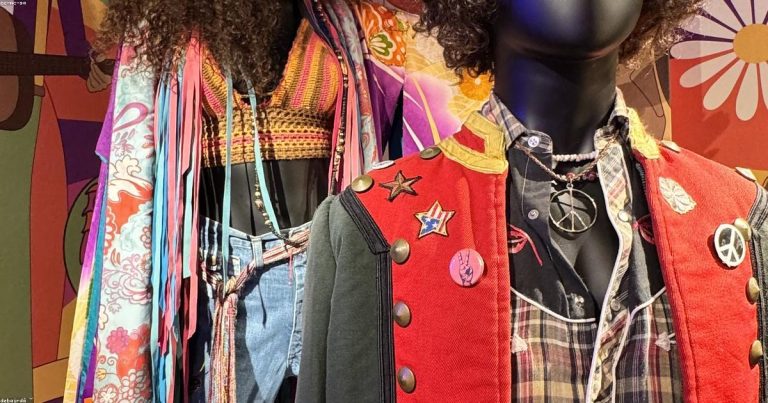
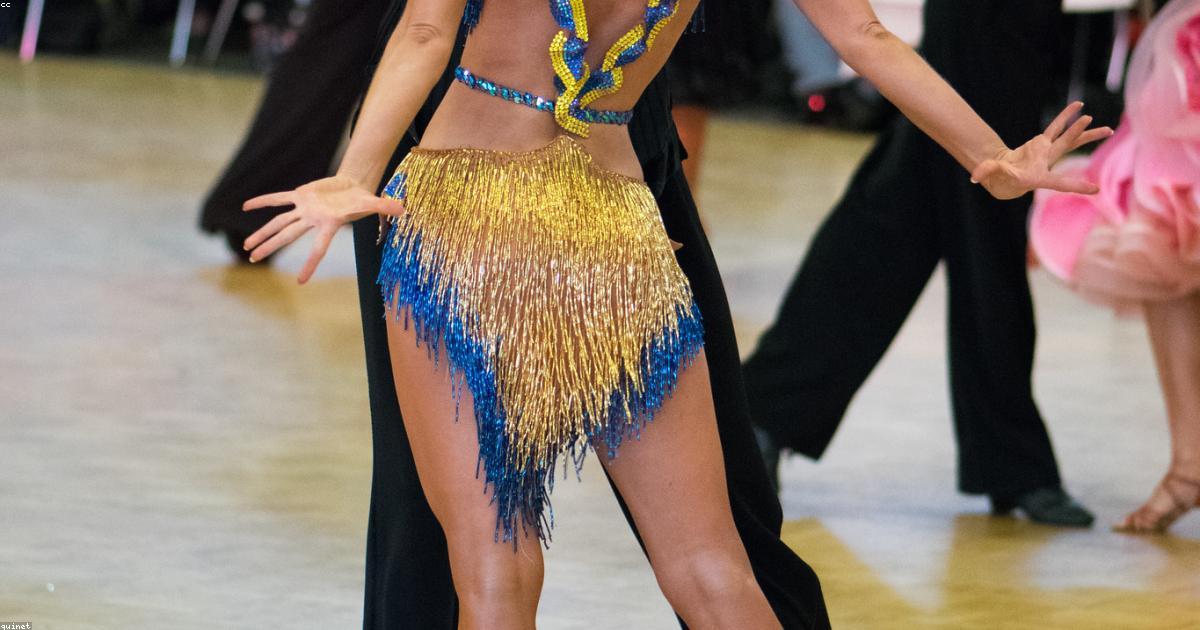
The pendulum has swung hard toward maximalism, and it’s bringing every color, pattern, and dramatic silhouette it can carry. This isn’t subtle. This isn’t understated. This is fashion with the volume turned up to eleven, and it’s glorious.
Color Chaos (In the Best Way)
Walk down any street in a fashion capital right now, and it looks like a rainbow exploded. Electric blue paired with hot pink. Neon orange meeting deep purple. Patterns that shouldn’t work together—florals, stripes, geometric prints—somehow creating outfits that make you stop and stare.
The old rules about color coordination? Thrown out the window. The fear of “too much”? Gone. People are mixing prints like they’re creating abstract art, and the confidence is infectious.
Digital printing technology has made this explosion possible. Designers can create intricate, multi-colored patterns that would have been impossible (or impossibly expensive) just a few years ago. Gradients flow across entire outfits. Ombre effects incorporate six different hues. Custom prints are accessible at every price point.
The result? Fashion that feels joyful. Optimistic. Alive.
Drama, Volume, and Architectural Ambition
Sleeves the size of small children. Trains that trail behind like royal processions. Structured pieces that look like they could stand up on their own—and probably could.
Maximalist silhouettes are rewriting the rules of proportion. Oversized doesn’t mean sloppy anymore. It means intentional, dramatic, impossible to ignore. These aren’t clothes that fade into the background. They’re clothes that make an entrance, throw a party, and leave everyone talking.
The genius is in the construction. Advanced techniques and supportive materials mean these dramatic pieces actually work in real life. You can sit down. You can move. You can wear them for more than five minutes without wanting to tear them off. Comfort and spectacle have finally learned to coexist.
Layering has evolved into an art form. Multiple textures, varying lengths, contrasting volumes—all composed with the precision of a symphony. It looks complex, but the beauty is in how adaptable it is. Strip away a layer, and you have a completely different look. Add a piece, and you’ve transformed again.
| Fashion Trend Category | Key Characteristics | Target Demographic | Price Range | Sustainability Rating |
|---|---|---|---|---|
| Regenerative Materials | Lab-grown leather, mushroom textiles, biodegradable fabrics | Eco-conscious consumers, all ages | Mid to High | Excellent |
| Smart Textiles | Temperature regulation, color-changing, health monitoring | Tech-savvy professionals, athletes | High to Premium | Good |
| Maximalist Aesthetics | Bold colors, pattern mixing, dramatic silhouettes | Fashion-forward individuals, 18-45 | All ranges | Variable |
| Gender-Fluid Fashion | Unisex designs, inclusive sizing, versatile styling | Progressive consumers, all ages | Mid to High | Good |
| Digital Fashion | Virtual garments, NFT collections, AR try-on | Digital natives, gamers, 16-35 | Low to Premium | Excellent |
| Artisan Revival | Handcrafted details, traditional techniques, limited editions | Luxury consumers, collectors | Premium to Luxury | Excellent |
The Death of the Gender Binary (At Least in Your Closet)
A teenager walked into a store last week and asked the sales associate, “Where’s your men’s section?” The associate looked confused. “We don’t really do that anymore,” they said. “What are you looking for?”
That interaction would have been revolutionary five years ago. Now? It’s just Tuesday.
Designing for Humans (Not Categories)
The shift toward gender-fluid fashion isn’t just about slapping “unisex” on a label and calling it progress. Designers are fundamentally rethinking how clothes are constructed, who they’re for, and what assumptions we’ve been making all along.
Pattern-making has evolved to accommodate different body types within single designs. Adjustable features aren’t afterthoughts—they’re integral to the design. A jacket might have multiple button placements, allowing it to fit and flatter various body shapes. Pants come with innovative waistband systems that adapt to different proportions.
The color story has exploded. Pastels in what used to be “menswear.” Bold hardware and structured tailoring in what used to be “womenswear.” These distinctions are dissolving, and what’s emerging is just… fashion. For people. All people.
The creative energy this has unleashed is palpable. Designers who spent years working within rigid categories are suddenly free to explore, experiment, and create without arbitrary boundaries. The results are fresh, unexpected, and genuinely exciting.
Size Inclusivity That Actually Means Something
Extended size ranges used to mean taking a design and scaling it up or down, often with disastrous results. Now brands are doing the actual work—proper grading, fit adjustments, understanding that bodies are different in more ways than just measurements.
Adaptive fashion has moved from specialty catalogs to mainstream collections. Magnetic closures instead of buttons for people with limited dexterity. Seated-position tailoring for wheelchair users. Adjustable hems that work for different heights and mobility needs. These features benefit everyone, not just their intended audience. Turns out, lots of people appreciate clothing that’s easier to put on and more comfortable to wear.
Virtual fitting technology has become surprisingly sophisticated. Upload a body scan (or use your phone’s camera), and see how garments will actually look on your specific body before buying. The AI algorithms have gotten good enough that returns have dropped dramatically. People are finding clothes that fit, first try, ordered online. That’s not just convenient—it’s revolutionary.
Fashion That Doesn’t Exist (But Somehow Still Matters)
My nephew spent $200 on a jacket last month. A really nice jacket—limited edition, designed by someone famous, looks incredible. He’s worn it dozens of times. He’s never touched it. It doesn’t exist in physical form.
He’s not crazy. He’s just living in 2026.
The NFT Fashion Market (Yes, Really)
Digital fashion collections have evolved from weird internet experiments to legitimate markets with real value. Major fashion houses release limited-edition virtual garments that people wear in digital spaces—gaming environments, virtual meetings, social media content. These pieces trade, appreciate in value, and have established secondary markets.
Some come with physical counterparts, creating hybrid ownership experiences. Buy the digital version, get the physical one too. Or vice versa. The line between digital and physical fashion is blurring in ways that would have seemed absurd a few years ago but now feel almost obvious.
The sustainability angle is compelling. A digital wardrobe has zero environmental impact. No water usage, no textile waste, no shipping emissions. You can own hundreds of outfits without filling a closet or contributing to landfills. For people who love fashion but hate waste, it’s an elegant solution.
Virtual Try-On and Augmented Reality Shopping
Shopping has become a mixed-reality experience. Point your phone at yourself, and see how that dress looks on your actual body, in your actual lighting, from every angle. The technology has gotten good enough that it’s often more accurate than trying things on in a store with terrible lighting and worse mirrors.
Brands are creating entire virtual showrooms. Walk through a digital space, browse collections, see how pieces look together, all from your couch. Some are incorporating social features—shop with friends who are physically across the country, get their opinions in real-time, make it an event instead of a chore.
The line between entertainment and shopping has dissolved. Fashion shows are now immersive digital experiences where you can not only watch but participate, customize looks, and buy pieces immediately. The traditional fashion calendar—with its seasonal shows and months-long waits—is being disrupted by instant access and constant releases.
The Artisan Renaissance (Because Robots Can’t Do Everything)
In a world of smart fabrics and digital fashion, something unexpected is happening: people are craving the handmade. The imperfect. The human touch.
Artisan fashion is experiencing a renaissance that nobody predicted. Hand-embroidery, traditional weaving techniques, craftsmanship that takes weeks instead of hours—these aren’t niche anymore. They’re luxury. They’re desirable. They’re what people want when everything else feels mass-produced and algorithm-generated.
Limited edition pieces with visible maker’s marks are commanding premium prices. The story behind the garment—who made it, where, using what techniques—has become as valuable as the garment itself. People want to know that a human being spent time creating something specifically for them, even if that human is halfway across the world.
This trend is creating interesting economic opportunities. Traditional craftspeople who were struggling to compete with fast fashion are suddenly in demand. Their skills, once seen as outdated, are now precious. Brands are partnering with artisan communities, creating collections that blend traditional techniques with contemporary design.
The irony isn’t lost on anyone: as fashion becomes more technological, we’re simultaneously craving the most low-tech, time-intensive, human-centered creation possible. Maybe that’s not ironic at all. Maybe it’s exactly what we need.
What Happens When Everything Changes at Once
Here’s the thing about 2026: nothing exists in isolation anymore. Your biodegradable shirt might have smart fabric that changes color, designed using AI, sold through a virtual showroom, made by artisans using traditional techniques, and available in a gender-fluid cut with inclusive sizing.
All of these trends are colliding, combining, creating something entirely new. Fashion isn’t just evolving—it’s fragmenting and reforming into something we don’t have words for yet.
The old gatekeepers are losing their grip. The rules are being rewritten in real-time. What you wear, how you buy it, what it means, who it’s for—all of it is up for grabs.
And maybe that’s the most exciting part. We’re not just watching fashion change. We’re participating in it, shaping it, deciding what comes next. Your closet in 2026 might look nothing like your neighbor’s, and that’s not just okay—it’s the entire point.
The future of fashion isn’t a single trend or direction. It’s a thousand different futures, all happening simultaneously, all valid, all available. You just have to decide which one you want to wear.