Fashion Trends Trends 2026
Fashion Trends Trends 2026
nn

nnnnnnnnnnnnnnnnnnnnnnnnnnnnnn
Okay, I need to tell you about what’s happening in fashion right now because 2026 is shaping up to be absolutely wild. We’re watching technology, sustainability, and pure creative expression collide in ways that honestly seemed impossible just a few years ago. AI-generated designs? Check. Fabrics that literally biodegrade? Yep, that’s real. The pace of change is honestly breathtaking, and I’m here for all of it.
What gets me most excited is how these trends reflect who we’re becoming as a society. We’re demanding transparency, we’re obsessed with quality over quantity, and we want our clothes to actually mean something. Whether you live and breathe fashion or just want to look good without thinking too hard about it, what’s coming will change how you think about getting dressed. And trust me, you’re going to want to pay attention to this.
Sustainable Fashion Isn’t Optional Anymore (And That’s Amazing)
Here’s the thing that blows my mind: sustainability has gone from being this nice-to-have feature to the absolute foundation of how fashion works now. But we’re not just talking about “doing less harm” anymore. Regenerative fashion is actually making the environment better through the production process itself. Brands are pouring resources into materials that give back to ecosystems. This isn’t greenwashing – this is a complete revolution in how we make clothes.
The Materials Revolution Is Here
Lab-grown leather. Mushroom textiles. Fabrics made from algae. I know it sounds like science fiction, but these materials are hitting mainstream production right now. What’s incredible is that they look and feel just as luxurious as traditional fabrics – sometimes even better. Major luxury houses have committed to making at least half their 2026 collections from these next-gen materials. Half!
The biodegradable fabric situation is particularly fascinating to me. These materials stay durable while you’re wearing them but break down naturally in months instead of sitting in landfills for centuries. Consumers are getting savvy too, demanding certifications and proof that these claims are legit. The transparency this creates throughout the supply chain? That’s the kind of accountability we’ve needed for decades.
The Circular Economy Actually Works Now
Remember when buying secondhand felt like settling? Those days are gone. The circular fashion model has matured into something genuinely exciting. Rental services, resale platforms, repair programs – they’re not alternatives anymore, they’re how people actually build their wardrobes. Major retailers have comprehensive take-back programs where your worn items get recycled, refurbished, or transformed into something new. It’s a closed loop, and it’s beautiful.
Fashion rental subscriptions have gotten scary good at predicting what you’ll love. AI analyzes your style preferences and body measurements to curate selections that feel personally chosen. You get constant wardrobe refreshes without the environmental guilt. And honestly? The pride people feel about making responsible choices has completely replaced any stigma around pre-owned clothing.
Your Clothes Are Getting Smarter (In the Best Way)
We’ve moved way past fitness trackers clipped to our waistbands. Smart textiles with embedded sensors, adaptive properties, and connectivity features are becoming normal. These innovations enhance what clothes can do while still looking incredible. We’re talking garments that respond to environmental conditions and your body’s needs in real-time. How cool is that?
Clothing That Adapts to You
Temperature-regulating fabrics are now available across all price points, not just high-end gear. These textiles use phase-change materials or electronic elements to warm you up or cool you down automatically. Color-changing fabrics that respond to temperature, light, or even your mood through biometric sensors? They’ve moved from gimmick territory to genuinely practical wardrobe staples.
Self-cleaning fabrics might be my favorite innovation. Nanotechnology coatings repel stains and odors, which means less washing, longer garment life, and massive water conservation. Activewear and professional attire brands are all over this technology because maintaining a fresh appearance throughout the day just got effortless.
Virtual Fashion Is a Real Market Now
The metaverse created an entirely new fashion economy, and people are investing in digital clothing with genuine enthusiasm. High-end designers release exclusive digital collections. Some fashion shows exist only in virtual spaces. This creates revenue streams for brands while giving consumers unlimited creative expression without any physical production or environmental impact. It’s genius.
Augmented reality fitting rooms are changing how we shop. You can visualize exactly how garments will look on your actual body before buying, which has slashed return rates dramatically. Advanced body scanning and realistic rendering show accurate fit, drape, and color on your specific body type. No more guessing, no more disappointment when the package arrives.
Colors and Patterns That Make You Feel Something
The color story for 2026 is all about embracing contrast. We want comfort and boldness simultaneously. Soothing earth tones sit right next to vibrant, energizing hues. The year encourages experimentation and unexpected combinations, which I absolutely love.
| Color Category | Specific Shades | Best Applications | Styling Tips |
|---|---|---|---|
| Earth Tones | Terracotta, Clay, Warm Taupe, Moss Green | Everyday wear, professional attire, layering pieces | Mix with cream and ivory for sophisticated looks |
| Digital Brights | Electric Blue, Cyber Lime, Neon Coral, Holographic Silver | Statement pieces, accessories, evening wear | Use as accents against neutral backgrounds |
| Soft Pastels | Lavender Mist, Powder Blue, Blush Pink, Mint Cream | Spring/summer collections, romantic styles, casual wear | Layer multiple pastels for dimensional looks |
| Deep Jewel Tones | Sapphire, Emerald, Ruby, Amethyst | Formal occasions, luxury items, cold weather wear | Pair with metallic accessories for added richness |
| Neutrals Reimagined | Warm Gray, Camel, Chocolate Brown, Ivory | Wardrobe foundations, professional settings, timeless pieces | Create interest through texture and layering |
Patterns Are Getting Wild
Pattern trends showcase this fascinating blend of digital inspiration and organic forms. Geometric patterns create optical illusions and movement. Nature-inspired prints feature oversized florals, abstract landscapes, and biomimicry designs that connect us to the natural world. Mixed pattern styling – once a total fashion no-no – is now celebrated as confident personal style. I’m so here for this freedom.
AI-generated digital prints create unique, one-of-a-kind patterns. No two garments are exactly alike, which means mass customization without sacrificing production efficiency. Heritage patterns from various cultures are being respectfully incorporated into contemporary designs, celebrating global diversity and craftsmanship traditions in ways that feel authentic and meaningful.
Silhouettes That Actually Make Sense for How We Live
The silhouettes of 2026 emphasize comfort without sacrificing structure. Years of remote work taught us valuable lessons about what we actually want to wear. Designers are creating pieces that transition seamlessly from casual to formal settings because modern life demands versatility and adaptability.
Oversized Done Right
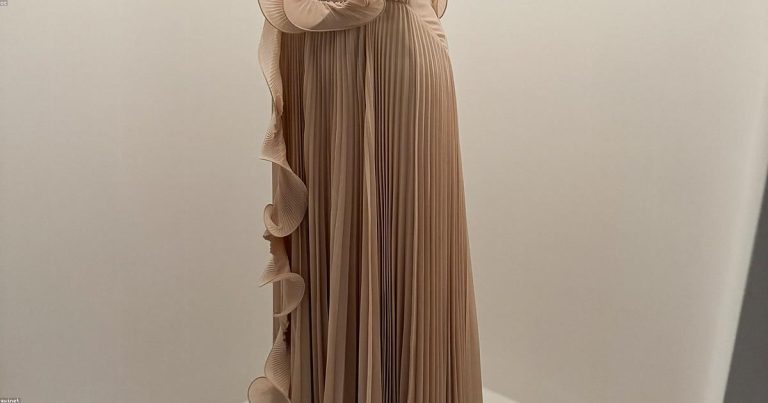
Oversized silhouettes continue dominating, but with way more intentional tailoring and structure. The difference from previous years is the attention to proportion and balance. Oversized blazers get paired with fitted trousers. Voluminous dresses feature strategic cinching or asymmetrical elements that prevent shapelessness. This approach maintains comfort while creating visually interesting and flattering lines.
Relaxed suiting has evolved into its own sophisticated category. Soft shoulders, wider legs, comfortable fabrics that still look professional. These suits work equally well in boardrooms and casual settings, embodying the flexibility modern professionals actually need.
Sculptural Pieces That Make Statements
On the flip side, sculptural pieces featuring dramatic shapes, exaggerated proportions, and architectural construction are making bold statements. These garments treat the body as a canvas for artistic expression. Structured shoulders, geometric cutouts, three-dimensional embellishments. While not everyday wear, these pieces are perfect for special occasions and fashion-forward individuals who want to turn heads.
Asymmetrical designs keep gaining popularity. Uneven hemlines, one-shoulder tops, diagonal closures – they add visual interest and modern edge to both casual and formal wear. These designs challenge traditional symmetry while maintaining wearability and comfort, which is exactly the balance we need.
Accessories That Actually Matter
Accessories in 2026 are statement-making elements that transform entire outfits. We’ve shifted from subtle accents to bold, conversation-starting pieces that reflect personal identity and values. Functionality and fashion merge seamlessly, with items serving multiple purposes while looking incredible.
Footwear Gets Exciting
Footwear trends emphasize both comfort technology and distinctive design. Platform shoes with ergonomic support systems provide height without destroying your feet. Sustainable sneakers made from recycled ocean plastic and plant-based materials dominate the casual market, with major athletic brands competing to create the most environmentally friendly options. The innovation happening in this space is remarkable.
Modular footwear systems let you swap out soles, uppers, and decorative elements. This extends shoe life, reduces waste, and allows for personalization. Smart shoes with embedded sensors track gait, posture, and activity levels, appealing to health-conscious consumers seeking data-driven insights into their physical well-being. Your shoes can literally help you move better.
Bags That Work as Hard as You Do
Bags reflect the changing nature of what we carry daily. Digital devices have replaced so many physical items that bags are becoming smaller and more specialized. Micro bags holding only essentials remain popular for evening and social occasions. Tech-integrated bags with built-in charging capabilities, GPS tracking, and organizational systems serve practical needs beautifully.
Convertible bags that transform from backpacks to shoulder bags to crossbody styles offer versatility for dynamic lifestyles. Transparent and mesh bags continue their popularity, now featuring clever internal pouches that maintain privacy while showcasing the transparency trend. Vintage and upcycled bags are highly sought after, with authentication services and restoration specialists supporting a thriving secondary market.
What to Wear When: Your 2026 Seasonal Guide
| Season | Key Trends | Must-Have Items | Color Focus |
|---|---|---|---|
| Spring | Sheer layering, romantic details, sustainable denim | Lightweight trench coat, midi skirts, breathable sneakers | Soft pastels, fresh greens, warm neutrals |
| Summer | Cutout details, resort wear, performance fabrics | Linen sets, statement sunglasses, versatile sandals | Digital brights, ocean blues, sun-bleached tones |
| Fall | Layered textures, heritage patterns, transitional pieces | Oversized blazer, knee-high boots, structured bag | Earth tones, rust, deep burgundy, forest green |
| Winter | Cozy maximalism, technical outerwear, luxe knitwear | Puffer coat, cashmere sweater, insulated boots | Jewel tones, charcoal, cream, metallic accents |
Fashion Finally Gets Inclusive (And It’s About Time)
The fashion industry in 2026 has largely moved beyond traditional gender categories. Most brands offer inclusive sizing and gender-neutral collections as standard practice. This shift reflects broader societal changes and consumer demand for clothing that allows authentic self-expression regardless of gender identity. Designers create pieces based on body types and personal style preferences rather than outdated gender norms. Watching this transformation happen has been genuinely inspiring.
Sizing That Actually Makes Sense
Extended size ranges are now standard rather than exceptional. Brands offer comprehensive sizing from XXS to 6XL and beyond. Adaptive fashion designed for people with disabilities has moved from specialized retailers to mainstream brands, incorporating features like magnetic closures, adjustable elements, and sensory-friendly fabrics into regular collections. This accessibility should have always been the norm.
Body positivity movements have influenced how fashion is marketed and presented. Diverse models of all sizes, ages, and abilities feature prominently in campaigns and runway shows. This representation helps consumers visualize how clothing will look on bodies similar to their own, improving shopping experiences and reducing returns. Seeing yourself reflected in fashion media matters more than people realize.
Fluid Styling for Everyone
Unisex collections designed to fit and flatter various body types are among the fastest-growing segments in fashion retail. These pieces focus on versatile cuts, adjustable features, and styling flexibility. The distinction between menswear and womenswear is becoming increasingly irrelevant. Consumers shop across all categories to find pieces that match their personal aesthetic, and brands are finally catching up to this reality. The freedom this creates for personal expression is exactly what fashion should be about – letting you be authentically yourself without arbitrary constraints.