Fashion Trends Trends 2026
Fashion Trends Trends 2026
nn
nnnnnnnnnnnnnnnnnnnnnnnnnnnnnn
Picture this: You’re scrolling through your phone on a Tuesday morning, and your jacket buzzes. Not your phone—your actual jacket. It’s telling you the air quality outside is terrible and suggesting you take the subway instead of walking. Meanwhile, the fabric shifts from deep navy to electric blue because, well, you felt like it should.
Sound like science fiction? Welcome to 2026.
Last week, I watched my friend Maya return a dress she’d worn to three weddings. Not because it was damaged—because the rental period ended. She’ll probably rent it again next month for her cousin’s engagement party. Her closet is half the size it was two years ago, but somehow she has more outfit options than ever. That’s not a paradox. That’s just fashion now.
The industry isn’t evolving. It’s shape-shifting. Designers who once sketched on paper now collaborate with AI. Fabrics that used to take centuries to decompose now break down in months. And that line between “men’s” and “women’s” sections? It’s disappearing faster than last season’s trends.
The Fabric Revolution Nobody Saw Coming
Here’s something wild: the leather jacket hanging in Bergdorf Goodman’s window wasn’t made from an animal. It was grown in a lab. Next to it, a dress made from mushrooms. Seriously—mushrooms.
Stella McCartney started experimenting with mycelium leather three years ago. People called it a gimmick. Now? Hermès has a whole line. Gucci’s doing it. Even fast-fashion brands are scrambling to get their hands on lab-grown materials because consumers aren’t just asking for them anymore—they’re demanding them.
My neighbor works at a textile innovation lab in Brooklyn. She showed me a fabric sample last month that looked like silk, felt like silk, but was actually made from algae. “We can grow this in tanks,” she said, eyes bright with the kind of excitement usually reserved for new parents. “No pesticides. No massive water consumption. Just algae, doing what algae does.”
The luxury market committed to a 50% transition to these next-generation materials by 2026. They’re not doing it out of the goodness of their hearts—though the PR certainly helps. They’re doing it because a 23-year-old with a smartphone can expose your entire supply chain in about four minutes, and nobody wants to be the brand caught lying about sustainability.
But here’s the really interesting part: these biodegradable fabrics aren’t flimsy. They last just as long as traditional materials during their useful life. Then, when you’re done with them, they decompose in months instead of sitting in a landfill for the next three centuries. It’s like the fashion industry finally figured out that “disposable” and “durable” don’t have to be opposites.
Your Closet Is Now a Subscription Service
Remember when buying clothes meant… buying clothes? Quaint concept.
Rent the Runway was just the beginning. Now there’s a rental service for everything—jeans, jewelry, winter coats, workout gear. My sister hasn’t purchased a formal dress in two years. She rotates through designer pieces for a fraction of the cost, returns them when she’s done, and someone else gets to wear them next. The dress gets five, ten, maybe twenty owners before it’s retired.
Major retailers have take-back programs now. You bring in your worn-out sweater, they give you store credit, and that sweater gets broken down and remade into something new. It’s not charity—it’s business. They’ve realized that the old model of “make it, sell it, forget it” is dying.
Patagonia’s been doing this for years, but now everyone’s catching up. Zara has collection bins. H&M offers discounts for returns. Even luxury brands are getting in on it because, turns out, wealthy people also care about the planet. Who knew?
The really clever part? Brands are designing clothes that can be taken apart easily. Modular fashion, they call it. A jacket where you can replace just the sleeves when they wear out. Pants with detachable legs that become shorts. It sounds gimmicky until you realize you’ve worn the same “jacket” for three years but it’s looked different every season.
When Your Clothes Are Smarter Than Your Phone
I went running in Central Park last week wearing a shirt that monitored my heart rate, tracked my breathing, and adjusted its temperature based on how hard I was working. No watch. No chest strap. Just a shirt.
The fabric had sensors woven directly into it—so subtle you couldn’t see them, couldn’t feel them. After my run, the data synced to my phone automatically. The shirt went in the washing machine like any other shirt. This isn’t experimental tech anymore. You can buy this stuff at sporting goods stores.
Fabrics That Think for Themselves
Temperature-regulating clothing used to be the domain of astronauts and extreme athletes. Now it’s everywhere. Business suits that keep you cool in summer meetings and warm during winter commutes. Dresses that adapt when you move from air-conditioned offices to sweltering streets.
The technology uses phase-change materials—basically, substances that absorb or release heat as they change states. It’s the same principle as those hand warmers you shake to activate, except it’s built into the fabric itself and works automatically. No shaking required.
Then there’s the color-changing stuff. A friend showed up to brunch last month wearing a jacket that was forest green. By the time we finished eating, it was burgundy. She’d changed it from her phone. “I got bored with green,” she shrugged.
This isn’t novelty tech anymore—it’s practical. One jacket serves multiple purposes. You’re not buying five different colored coats; you’re buying one coat that becomes five different colors. Suddenly your closet space doubles without buying anything new.
The Invisible Tech Revolution
Smart clothing in 2026 doesn’t look smart. That’s the whole point.
Early wearable tech was clunky—obvious sensors, visible wires, bulky battery packs. Now? Conductive threads woven into fabric create invisible networks. Your jacket can charge your phone through your pocket. Your bag strap powers your earbuds. You’d never know by looking at it.
Health monitoring has become seamless. Shirts track vital signs. Socks analyze your gait. Sports bras monitor breathing patterns. All without any visible hardware. The data flows to your devices, and you get insights without thinking about the technology making it happen.
For people managing chronic conditions, this is transformative. Diabetics wearing glucose-monitoring shirts. Heart patients in jackets that alert them to irregularities. Athletes optimizing performance with real-time biometric feedback. The fashion industry accidentally became a healthcare provider.
More Is More (Finally)
Minimalism had its moment. That moment is over.
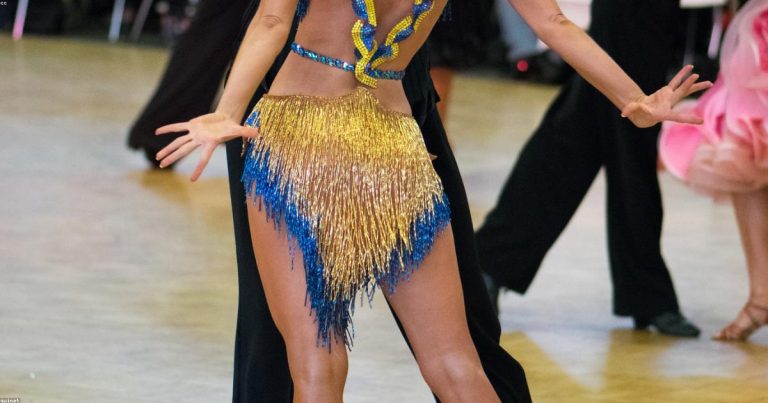
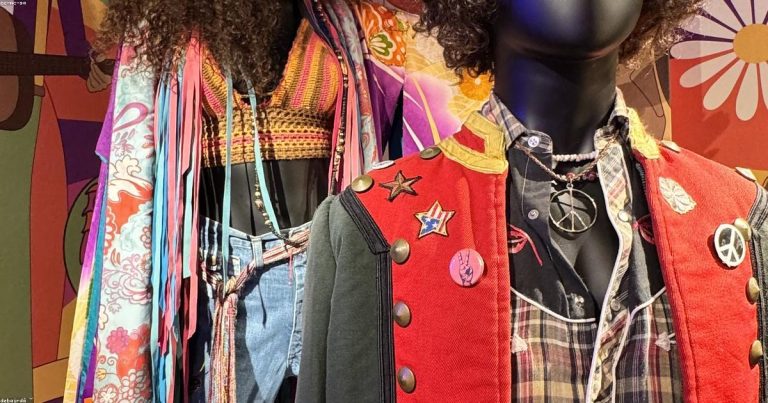
Walk through SoHo right now and you’ll see explosions of color that would’ve seemed garish three years ago. Electric blue pants with orange floral tops. Purple geometric prints mixed with green paisley. People are dressing like they raided a costume shop, and somehow it works.
There’s this woman I see on my morning commute who embodies the whole vibe. Yesterday she wore a voluminous yellow coat with pink polka dots, lime green pants, and shoes covered in sequins. She looked like a walking party. Five years ago, people would’ve stared. Now? She’s just another Tuesday in New York.
The Color Explosion
Designers are using colors that used to be reserved for children’s toys. Saturated, bold, unapologetic hues that demand attention. The whole “neutral palette” thing feels dated now, like something your mom’s interior designer would suggest.
Digital printing technology made this possible. You can print any pattern, any color combination, any level of complexity onto fabric now. The technical limitations that once constrained designers are gone. If you can imagine it, you can print it.
Gradient effects have evolved beyond simple fades. Now you see garments that transition through five, six, seven colors in complex patterns. Ombre isn’t just vertical anymore—it’s diagonal, spiral, radiating from center points. The fabric itself becomes art.
Drama for Breakfast
Sleeves the size of small children. Collars that could double as umbrellas. Shoulders so exaggerated they need their own zip code.
Fashion got theatrical. Not costume-y—theatrical. There’s a difference. These pieces are wearable, functional even, but they make statements. You’re not just dressed; you’re making an entrance.
The boundary between “everyday wear” and “statement piece” dissolved. People wear sequined blazers to the grocery store. Feathered collars to coffee shops. Metallic pants to parent-teacher conferences. Why not? Life’s too short for boring clothes.
Designers balance these bold elements with strategic tailoring. An oversized sleeve paired with a fitted bodice. Voluminous pants with a structured top. The proportions are intentional, creating visual interest without sacrificing wearability. You can actually move in these clothes, sit down in them, live your life in them.
| Fashion Trend Category | Key Characteristics | Target Demographic | Price Range | Sustainability Rating |
|---|---|---|---|---|
| Regenerative Materials | Lab-grown leather, mushroom textiles, biodegradable fabrics | Eco-conscious consumers, all ages | Mid to High | Excellent |
| Smart Textiles | Temperature regulation, color-changing, health monitoring | Tech-savvy professionals, athletes | High to Premium | Good |
| Maximalist Aesthetics | Bold colors, pattern mixing, exaggerated silhouettes | Creative individuals, fashion enthusiasts | All ranges | Variable |
| Gender-Fluid Fashion | Unisex designs, versatile sizing, inclusive styling | Progressive consumers, younger generations | All ranges | Good |
| Artisan Collaboration | Handcrafted details, traditional techniques, limited editions | Luxury consumers, collectors | Premium to Luxury | Excellent |
| Digital Fashion | Virtual garments, NFT collections, metaverse wearables | Digital natives, gamers, virtual world participants | Low to Mid | Excellent (no physical production) |
The Death of the Gender Binary (In Fashion, Anyway)
My nephew asked me last month where the “boys’ section” was in a store. The sales associate looked confused. “We don’t really do that anymore,” she said. “What style are you looking for?”
He’s twelve. This is his normal.
Major retailers reorganized their entire floor plans. Instead of “men’s” and “women’s,” you see sections like “structured,” “flowing,” “athletic,” “formal.” The clothes are designed to fit different body types, sure, but they’re not marketed by gender. You pick what you like, what fits, what makes you feel good.
Design Without Boundaries
Unisex isn’t a trend anymore—it’s just how clothes are made now. Designers create pieces with adjustable features, versatile cuts, and inclusive sizing that works across body types. A jacket isn’t “for men” or “for women.” It’s just a jacket.
This shift happened faster than anyone expected. Five years ago, gender-neutral fashion was niche, almost political. Now it’s mainstream, almost boring in its normalcy. Brands that clung to traditional gender divisions look dated, out of touch.
The commercial success surprised everyone. Turns out, when you design clothes that anyone can wear, you expand your market significantly. Who knew?
Fashion for Every Body
Adaptive fashion—clothing designed for people with disabilities—used to be segregated into “special” lines. Now those features are just… features. Magnetic closures instead of buttons. Adjustable waistbands. Easy-access openings. They’re in regular collections because designers realized something obvious: these features make clothes better for everyone.
My friend’s mom has arthritis. She used to struggle with buttons and zippers. Now she buys regular clothes from regular stores that happen to have magnetic closures. She’s not shopping in a “special needs” section. She’s just shopping.
Sensory-friendly fabrics benefit people with sensory sensitivities, yes, but also anyone who’s ever been annoyed by a scratchy tag or uncomfortable seam. Designing for diverse needs creates better products across the board. The fashion industry stumbled into this realization and ran with it.
Your Avatar Needs an Outfit Too
I spent $200 on a jacket last month. A digital jacket. For my avatar in a virtual world where I spend maybe three hours a week.
My partner thought I was insane. Then he spent $150 on virtual sneakers.
Digital fashion is real fashion now. Not a joke, not a gimmick—a legitimate market with real money changing hands. People collect virtual garments like they collect physical ones. Some of these digital pieces sell for thousands of dollars.
NFTs and Virtual Closets
Non-fungible tokens gave digital fashion ownership legitimacy. You buy a virtual dress, you own that specific virtual dress. It’s yours. You can wear it in digital spaces, show it off, even resell it if it appreciates in value.
Balenciaga released a limited-edition digital collection last year. Sold out in minutes. Some pieces are now worth triple their original price on secondary markets. People are investing in virtual fashion the way they invest in physical luxury goods.
The appeal makes sense when you think about it. Virtual garments never wear out. They don’t require storage space. You can wear them repeatedly in digital contexts without anyone judging you for outfit repetition. For people who spend significant time in virtual environments—and that’s a lot of people now—digital wardrobes matter.
Try Before You Buy (Sort Of)
Augmented reality changed online shopping completely. You point your phone at yourself, and suddenly you’re wearing the dress you’re considering buying. It moves with you, shows you how it fits, how it drapes. Return rates dropped dramatically once this technology became standard.
The body scanning is eerily accurate now. It measures you in seconds and shows you exactly how clothes will fit your specific body type. No more guessing about sizing, no more “I think this will work.” You know before you buy.
AR filters let people experiment with styles they’d never try in real life. Want to see if you can pull off that bold print? Try it virtually first. Curious about a dramatic color? Test it out without commitment. This technology democratized fashion experimentation—anyone with a smartphone can play with style regardless of budget or location.
Slow Fashion’s Unexpected Comeback
In the middle of all this technology and innovation, something unexpected happened: people started caring about handmade things again.
There’s a shop in the West Village that sells sweaters made by artisans in Peru using traditional techniques passed down through generations. Each sweater takes weeks to make. They cost a fortune. There’s a waiting list.
People want the story now. They want to know who made their clothes, how they were made, why they were made that way. Fast fashion’s appeal is fading because nobody wants to be part of that system anymore.
Artisan Partnerships That Actually Matter
Fashion brands are partnering with artisan communities worldwide, incorporating traditional techniques into contemporary designs. Hand embroidery from India. Natural dyeing from Japan. Traditional weaving from Guatemala. These collaborations preserve cultural heritage while providing economic opportunities for skilled craftspeople.
The key word is “fair.” Consumers demand transparency about compensation. Brands that exploit artisans get exposed and boycotted. The ones that pay fairly, share profits, and build genuine partnerships? They build loyal customer bases willing to pay premium prices.
These pieces have character that mass production can’t replicate. Slight variations, human touches, the knowledge that someone’s hands created this specific garment. In a world of algorithmic perfection, imperfection became valuable.
Made for You, Specifically
Made-to-order production eliminates waste while offering perfect fit. Advanced measurement technologies enable precise customization without in-person fittings. You input your measurements, choose your fabric, select your details, and weeks later, a garment made specifically for your body arrives.
This used to be luxury-only territory. Now it’s accessible across price points. The technology got cheaper, the processes got faster, and suddenly bespoke clothing isn’t just for people with trust funds.
Interactive design platforms let customers participate in creation. You’re not just buying clothes; you’re collaborating on them. Pick your fabric. Choose your buttons. Adjust the sleeve length. The garment that arrives is uniquely yours, which means you’re more likely to keep it, wear it, care for it. That connection between wearer and clothing—that’s what fast fashion destroyed, and what slow fashion is rebuilding.
What This All Means for Your Actual Closet
So you’re standing in front of your closet tomorrow morning, trying to figure out what to wear. What does all this mean for you?
Maybe you rent that dress for the wedding instead of buying it. Maybe you choose the jacket with temperature-regulating fabric because your office is always freezing. Maybe you finally buy that bold patterned shirt you’ve been eyeing because life’s too short for beige.
The fashion industry transformed, but it’s still just clothes. You still need to get dressed in the morning. The difference is you have more options now—more sustainable options, more technological options, more expressive options. The rules loosened. The boundaries blurred. The possibilities expanded.
That biodegradable fabric shirt will last just as long as your old cotton one, but when you’re done with it, it won’t sit in a landfill for centuries. That smart jacket monitoring your health might catch something your doctor would miss. That gender-neutral design might fit you better than anything in the “women’s section” ever did.
Fashion in 2026 isn’t about following trends—it’s about finding what works for you in a landscape with more choices than ever before. The industry finally caught up to what people actually want: clothes that don’t destroy the planet, that adapt to their needs, that let them express themselves without apology.
Your jacket might buzz at you tomorrow morning. Your shirt might change colors based on your mood. Your pants might have been grown in a lab from mushrooms. And somehow, impossibly, that’s just normal now.